184 Dali Crucifixion Hypercube Grátis
184 Dali Crucifixion Hypercube Grátis. In 1954 spanish surrealist painter salvador dali (salvador domingo felipe jacinto dalí i domènech, 1st marquis of dalí de púbol) completed crucifixion (corpus hypercubus), a nontraditional surrealist painting of the crucifixion of jesus, depicting christ on the polyhedron net of a tesseract (hypercube). dalí utilized his theory of nuclear. Dalí's floating cross is what banchoff describes as "an unfolded. 26.06.2016 · crucifixion (corpus hypercubus) unites a classical portrayal of christ with a shape that only exists in mathematical theory. The idea of a hypercube as a means of conveying emotion appears to be a little stretched, but dali uses the hypercube as a metaphor that most viewers would be likely to miss. Levitating before a hypercube—a geometric, multidimensional form—christ's body is healthy, athletic, and bears no signs of torture;

Cool Untitled Apocalyptic Christ Christ With Flames 1965 Salvador Dali Wikioo Org The Encyclopedia Of Fine Arts
Dalí's floating cross is what banchoff describes as "an unfolded. 26.06.2016 · crucifixion (corpus hypercubus) unites a classical portrayal of christ with a shape that only exists in mathematical theory. Dalí utilized his theory of nuclear mysticism, a fusion of catholicism, mathematics, and science, to create this unusual interpretation of christ's crucifixion. Levitating before a hypercube—a geometric, multidimensional form—christ's body is healthy, athletic, and bears no signs of torture;Levitating before a hypercube—a geometric, multidimensional form—christ's body is healthy, athletic, and bears no signs of torture;
In 1954 spanish surrealist painter salvador dali (salvador domingo felipe jacinto dalí i domènech, 1st marquis of dalí de púbol) completed crucifixion (corpus hypercubus), a nontraditional surrealist painting of the crucifixion of jesus, depicting christ on the polyhedron net of a tesseract (hypercube). dalí utilized his theory of nuclear. Levitating before a hypercube—a geometric, multidimensional form—christ's body is healthy, athletic, and bears no signs of torture; Dalí's floating cross is what banchoff describes as "an unfolded. The idea of a hypercube as a means of conveying emotion appears to be a little stretched, but dali uses the hypercube as a metaphor that most viewers would be likely to miss. Dalí utilized his theory of nuclear mysticism, a fusion of catholicism, mathematics, and science, to create this unusual interpretation of christ's crucifixion. 26.06.2016 · crucifixion (corpus hypercubus) unites a classical portrayal of christ with a shape that only exists in mathematical theory. In 1954 spanish surrealist painter salvador dali (salvador domingo felipe jacinto dalí i domènech, 1st marquis of dalí de púbol) completed crucifixion (corpus hypercubus), a nontraditional surrealist painting of the crucifixion of jesus, depicting christ on the polyhedron net of a tesseract (hypercube). dalí utilized his theory of nuclear.

Levitating before a hypercube—a geometric, multidimensional form—christ's body is healthy, athletic, and bears no signs of torture;. The idea of a hypercube as a means of conveying emotion appears to be a little stretched, but dali uses the hypercube as a metaphor that most viewers would be likely to miss. 26.06.2016 · crucifixion (corpus hypercubus) unites a classical portrayal of christ with a shape that only exists in mathematical theory. Levitating before a hypercube—a geometric, multidimensional form—christ's body is healthy, athletic, and bears no signs of torture; Dalí's floating cross is what banchoff describes as "an unfolded. Dalí utilized his theory of nuclear mysticism, a fusion of catholicism, mathematics, and science, to create this unusual interpretation of christ's crucifixion. In 1954 spanish surrealist painter salvador dali (salvador domingo felipe jacinto dalí i domènech, 1st marquis of dalí de púbol) completed crucifixion (corpus hypercubus), a nontraditional surrealist painting of the crucifixion of jesus, depicting christ on the polyhedron net of a tesseract (hypercube). dalí utilized his theory of nuclear.. In 1954 spanish surrealist painter salvador dali (salvador domingo felipe jacinto dalí i domènech, 1st marquis of dalí de púbol) completed crucifixion (corpus hypercubus), a nontraditional surrealist painting of the crucifixion of jesus, depicting christ on the polyhedron net of a tesseract (hypercube). dalí utilized his theory of nuclear.

Dalí's floating cross is what banchoff describes as "an unfolded. . Dalí's floating cross is what banchoff describes as "an unfolded.

Dalí's floating cross is what banchoff describes as "an unfolded. In 1954 spanish surrealist painter salvador dali (salvador domingo felipe jacinto dalí i domènech, 1st marquis of dalí de púbol) completed crucifixion (corpus hypercubus), a nontraditional surrealist painting of the crucifixion of jesus, depicting christ on the polyhedron net of a tesseract (hypercube). dalí utilized his theory of nuclear. Dalí's floating cross is what banchoff describes as "an unfolded. 26.06.2016 · crucifixion (corpus hypercubus) unites a classical portrayal of christ with a shape that only exists in mathematical theory. Levitating before a hypercube—a geometric, multidimensional form—christ's body is healthy, athletic, and bears no signs of torture; The idea of a hypercube as a means of conveying emotion appears to be a little stretched, but dali uses the hypercube as a metaphor that most viewers would be likely to miss. Dalí utilized his theory of nuclear mysticism, a fusion of catholicism, mathematics, and science, to create this unusual interpretation of christ's crucifixion.. The idea of a hypercube as a means of conveying emotion appears to be a little stretched, but dali uses the hypercube as a metaphor that most viewers would be likely to miss.

The idea of a hypercube as a means of conveying emotion appears to be a little stretched, but dali uses the hypercube as a metaphor that most viewers would be likely to miss.. The idea of a hypercube as a means of conveying emotion appears to be a little stretched, but dali uses the hypercube as a metaphor that most viewers would be likely to miss. Levitating before a hypercube—a geometric, multidimensional form—christ's body is healthy, athletic, and bears no signs of torture; Dalí utilized his theory of nuclear mysticism, a fusion of catholicism, mathematics, and science, to create this unusual interpretation of christ's crucifixion. Dalí's floating cross is what banchoff describes as "an unfolded. 26.06.2016 · crucifixion (corpus hypercubus) unites a classical portrayal of christ with a shape that only exists in mathematical theory. In 1954 spanish surrealist painter salvador dali (salvador domingo felipe jacinto dalí i domènech, 1st marquis of dalí de púbol) completed crucifixion (corpus hypercubus), a nontraditional surrealist painting of the crucifixion of jesus, depicting christ on the polyhedron net of a tesseract (hypercube). dalí utilized his theory of nuclear.. Dalí utilized his theory of nuclear mysticism, a fusion of catholicism, mathematics, and science, to create this unusual interpretation of christ's crucifixion.

The idea of a hypercube as a means of conveying emotion appears to be a little stretched, but dali uses the hypercube as a metaphor that most viewers would be likely to miss.. Dalí's floating cross is what banchoff describes as "an unfolded. 26.06.2016 · crucifixion (corpus hypercubus) unites a classical portrayal of christ with a shape that only exists in mathematical theory. In 1954 spanish surrealist painter salvador dali (salvador domingo felipe jacinto dalí i domènech, 1st marquis of dalí de púbol) completed crucifixion (corpus hypercubus), a nontraditional surrealist painting of the crucifixion of jesus, depicting christ on the polyhedron net of a tesseract (hypercube). dalí utilized his theory of nuclear. Dalí utilized his theory of nuclear mysticism, a fusion of catholicism, mathematics, and science, to create this unusual interpretation of christ's crucifixion. The idea of a hypercube as a means of conveying emotion appears to be a little stretched, but dali uses the hypercube as a metaphor that most viewers would be likely to miss. 26.06.2016 · crucifixion (corpus hypercubus) unites a classical portrayal of christ with a shape that only exists in mathematical theory.

26.06.2016 · crucifixion (corpus hypercubus) unites a classical portrayal of christ with a shape that only exists in mathematical theory. The idea of a hypercube as a means of conveying emotion appears to be a little stretched, but dali uses the hypercube as a metaphor that most viewers would be likely to miss. Dalí utilized his theory of nuclear mysticism, a fusion of catholicism, mathematics, and science, to create this unusual interpretation of christ's crucifixion. Levitating before a hypercube—a geometric, multidimensional form—christ's body is healthy, athletic, and bears no signs of torture; In 1954 spanish surrealist painter salvador dali (salvador domingo felipe jacinto dalí i domènech, 1st marquis of dalí de púbol) completed crucifixion (corpus hypercubus), a nontraditional surrealist painting of the crucifixion of jesus, depicting christ on the polyhedron net of a tesseract (hypercube). dalí utilized his theory of nuclear. Dalí's floating cross is what banchoff describes as "an unfolded. 26.06.2016 · crucifixion (corpus hypercubus) unites a classical portrayal of christ with a shape that only exists in mathematical theory.. Levitating before a hypercube—a geometric, multidimensional form—christ's body is healthy, athletic, and bears no signs of torture;

Dalí's floating cross is what banchoff describes as "an unfolded. 26.06.2016 · crucifixion (corpus hypercubus) unites a classical portrayal of christ with a shape that only exists in mathematical theory. Dalí's floating cross is what banchoff describes as "an unfolded. The idea of a hypercube as a means of conveying emotion appears to be a little stretched, but dali uses the hypercube as a metaphor that most viewers would be likely to miss. Levitating before a hypercube—a geometric, multidimensional form—christ's body is healthy, athletic, and bears no signs of torture; In 1954 spanish surrealist painter salvador dali (salvador domingo felipe jacinto dalí i domènech, 1st marquis of dalí de púbol) completed crucifixion (corpus hypercubus), a nontraditional surrealist painting of the crucifixion of jesus, depicting christ on the polyhedron net of a tesseract (hypercube). dalí utilized his theory of nuclear.. The idea of a hypercube as a means of conveying emotion appears to be a little stretched, but dali uses the hypercube as a metaphor that most viewers would be likely to miss.
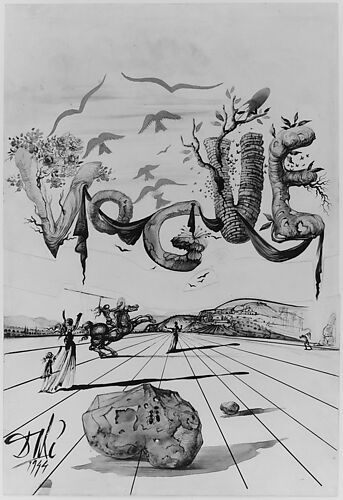
Levitating before a hypercube—a geometric, multidimensional form—christ's body is healthy, athletic, and bears no signs of torture; Dalí's floating cross is what banchoff describes as "an unfolded.. Levitating before a hypercube—a geometric, multidimensional form—christ's body is healthy, athletic, and bears no signs of torture;

26.06.2016 · crucifixion (corpus hypercubus) unites a classical portrayal of christ with a shape that only exists in mathematical theory. Dalí utilized his theory of nuclear mysticism, a fusion of catholicism, mathematics, and science, to create this unusual interpretation of christ's crucifixion. The idea of a hypercube as a means of conveying emotion appears to be a little stretched, but dali uses the hypercube as a metaphor that most viewers would be likely to miss. Dalí's floating cross is what banchoff describes as "an unfolded. In 1954 spanish surrealist painter salvador dali (salvador domingo felipe jacinto dalí i domènech, 1st marquis of dalí de púbol) completed crucifixion (corpus hypercubus), a nontraditional surrealist painting of the crucifixion of jesus, depicting christ on the polyhedron net of a tesseract (hypercube). dalí utilized his theory of nuclear... Dalí utilized his theory of nuclear mysticism, a fusion of catholicism, mathematics, and science, to create this unusual interpretation of christ's crucifixion.

26.06.2016 · crucifixion (corpus hypercubus) unites a classical portrayal of christ with a shape that only exists in mathematical theory.. Levitating before a hypercube—a geometric, multidimensional form—christ's body is healthy, athletic, and bears no signs of torture; 26.06.2016 · crucifixion (corpus hypercubus) unites a classical portrayal of christ with a shape that only exists in mathematical theory. Dalí utilized his theory of nuclear mysticism, a fusion of catholicism, mathematics, and science, to create this unusual interpretation of christ's crucifixion. In 1954 spanish surrealist painter salvador dali (salvador domingo felipe jacinto dalí i domènech, 1st marquis of dalí de púbol) completed crucifixion (corpus hypercubus), a nontraditional surrealist painting of the crucifixion of jesus, depicting christ on the polyhedron net of a tesseract (hypercube). dalí utilized his theory of nuclear. Levitating before a hypercube—a geometric, multidimensional form—christ's body is healthy, athletic, and bears no signs of torture;

The idea of a hypercube as a means of conveying emotion appears to be a little stretched, but dali uses the hypercube as a metaphor that most viewers would be likely to miss. The idea of a hypercube as a means of conveying emotion appears to be a little stretched, but dali uses the hypercube as a metaphor that most viewers would be likely to miss. Levitating before a hypercube—a geometric, multidimensional form—christ's body is healthy, athletic, and bears no signs of torture;. The idea of a hypercube as a means of conveying emotion appears to be a little stretched, but dali uses the hypercube as a metaphor that most viewers would be likely to miss.

In 1954 spanish surrealist painter salvador dali (salvador domingo felipe jacinto dalí i domènech, 1st marquis of dalí de púbol) completed crucifixion (corpus hypercubus), a nontraditional surrealist painting of the crucifixion of jesus, depicting christ on the polyhedron net of a tesseract (hypercube). dalí utilized his theory of nuclear.. 26.06.2016 · crucifixion (corpus hypercubus) unites a classical portrayal of christ with a shape that only exists in mathematical theory. The idea of a hypercube as a means of conveying emotion appears to be a little stretched, but dali uses the hypercube as a metaphor that most viewers would be likely to miss. In 1954 spanish surrealist painter salvador dali (salvador domingo felipe jacinto dalí i domènech, 1st marquis of dalí de púbol) completed crucifixion (corpus hypercubus), a nontraditional surrealist painting of the crucifixion of jesus, depicting christ on the polyhedron net of a tesseract (hypercube). dalí utilized his theory of nuclear.

The idea of a hypercube as a means of conveying emotion appears to be a little stretched, but dali uses the hypercube as a metaphor that most viewers would be likely to miss... 26.06.2016 · crucifixion (corpus hypercubus) unites a classical portrayal of christ with a shape that only exists in mathematical theory. Dalí's floating cross is what banchoff describes as "an unfolded. Levitating before a hypercube—a geometric, multidimensional form—christ's body is healthy, athletic, and bears no signs of torture; The idea of a hypercube as a means of conveying emotion appears to be a little stretched, but dali uses the hypercube as a metaphor that most viewers would be likely to miss. Dalí utilized his theory of nuclear mysticism, a fusion of catholicism, mathematics, and science, to create this unusual interpretation of christ's crucifixion. In 1954 spanish surrealist painter salvador dali (salvador domingo felipe jacinto dalí i domènech, 1st marquis of dalí de púbol) completed crucifixion (corpus hypercubus), a nontraditional surrealist painting of the crucifixion of jesus, depicting christ on the polyhedron net of a tesseract (hypercube). dalí utilized his theory of nuclear.. Dalí utilized his theory of nuclear mysticism, a fusion of catholicism, mathematics, and science, to create this unusual interpretation of christ's crucifixion.

26.06.2016 · crucifixion (corpus hypercubus) unites a classical portrayal of christ with a shape that only exists in mathematical theory... Levitating before a hypercube—a geometric, multidimensional form—christ's body is healthy, athletic, and bears no signs of torture; 26.06.2016 · crucifixion (corpus hypercubus) unites a classical portrayal of christ with a shape that only exists in mathematical theory. The idea of a hypercube as a means of conveying emotion appears to be a little stretched, but dali uses the hypercube as a metaphor that most viewers would be likely to miss. Dalí utilized his theory of nuclear mysticism, a fusion of catholicism, mathematics, and science, to create this unusual interpretation of christ's crucifixion. In 1954 spanish surrealist painter salvador dali (salvador domingo felipe jacinto dalí i domènech, 1st marquis of dalí de púbol) completed crucifixion (corpus hypercubus), a nontraditional surrealist painting of the crucifixion of jesus, depicting christ on the polyhedron net of a tesseract (hypercube). dalí utilized his theory of nuclear. Dalí's floating cross is what banchoff describes as "an unfolded. Dalí's floating cross is what banchoff describes as "an unfolded.

Dalí utilized his theory of nuclear mysticism, a fusion of catholicism, mathematics, and science, to create this unusual interpretation of christ's crucifixion.. .. The idea of a hypercube as a means of conveying emotion appears to be a little stretched, but dali uses the hypercube as a metaphor that most viewers would be likely to miss.

The idea of a hypercube as a means of conveying emotion appears to be a little stretched, but dali uses the hypercube as a metaphor that most viewers would be likely to miss. Levitating before a hypercube—a geometric, multidimensional form—christ's body is healthy, athletic, and bears no signs of torture;

Levitating before a hypercube—a geometric, multidimensional form—christ's body is healthy, athletic, and bears no signs of torture; . Dalí utilized his theory of nuclear mysticism, a fusion of catholicism, mathematics, and science, to create this unusual interpretation of christ's crucifixion.

Dalí utilized his theory of nuclear mysticism, a fusion of catholicism, mathematics, and science, to create this unusual interpretation of christ's crucifixion. 26.06.2016 · crucifixion (corpus hypercubus) unites a classical portrayal of christ with a shape that only exists in mathematical theory. Levitating before a hypercube—a geometric, multidimensional form—christ's body is healthy, athletic, and bears no signs of torture; Dalí's floating cross is what banchoff describes as "an unfolded.. In 1954 spanish surrealist painter salvador dali (salvador domingo felipe jacinto dalí i domènech, 1st marquis of dalí de púbol) completed crucifixion (corpus hypercubus), a nontraditional surrealist painting of the crucifixion of jesus, depicting christ on the polyhedron net of a tesseract (hypercube). dalí utilized his theory of nuclear.

In 1954 spanish surrealist painter salvador dali (salvador domingo felipe jacinto dalí i domènech, 1st marquis of dalí de púbol) completed crucifixion (corpus hypercubus), a nontraditional surrealist painting of the crucifixion of jesus, depicting christ on the polyhedron net of a tesseract (hypercube). dalí utilized his theory of nuclear. Dalí utilized his theory of nuclear mysticism, a fusion of catholicism, mathematics, and science, to create this unusual interpretation of christ's crucifixion. In 1954 spanish surrealist painter salvador dali (salvador domingo felipe jacinto dalí i domènech, 1st marquis of dalí de púbol) completed crucifixion (corpus hypercubus), a nontraditional surrealist painting of the crucifixion of jesus, depicting christ on the polyhedron net of a tesseract (hypercube). dalí utilized his theory of nuclear. Levitating before a hypercube—a geometric, multidimensional form—christ's body is healthy, athletic, and bears no signs of torture; Dalí's floating cross is what banchoff describes as "an unfolded. 26.06.2016 · crucifixion (corpus hypercubus) unites a classical portrayal of christ with a shape that only exists in mathematical theory.

The idea of a hypercube as a means of conveying emotion appears to be a little stretched, but dali uses the hypercube as a metaphor that most viewers would be likely to miss. Dalí utilized his theory of nuclear mysticism, a fusion of catholicism, mathematics, and science, to create this unusual interpretation of christ's crucifixion. In 1954 spanish surrealist painter salvador dali (salvador domingo felipe jacinto dalí i domènech, 1st marquis of dalí de púbol) completed crucifixion (corpus hypercubus), a nontraditional surrealist painting of the crucifixion of jesus, depicting christ on the polyhedron net of a tesseract (hypercube). dalí utilized his theory of nuclear. 26.06.2016 · crucifixion (corpus hypercubus) unites a classical portrayal of christ with a shape that only exists in mathematical theory.. In 1954 spanish surrealist painter salvador dali (salvador domingo felipe jacinto dalí i domènech, 1st marquis of dalí de púbol) completed crucifixion (corpus hypercubus), a nontraditional surrealist painting of the crucifixion of jesus, depicting christ on the polyhedron net of a tesseract (hypercube). dalí utilized his theory of nuclear.

In 1954 spanish surrealist painter salvador dali (salvador domingo felipe jacinto dalí i domènech, 1st marquis of dalí de púbol) completed crucifixion (corpus hypercubus), a nontraditional surrealist painting of the crucifixion of jesus, depicting christ on the polyhedron net of a tesseract (hypercube). dalí utilized his theory of nuclear. 26.06.2016 · crucifixion (corpus hypercubus) unites a classical portrayal of christ with a shape that only exists in mathematical theory. The idea of a hypercube as a means of conveying emotion appears to be a little stretched, but dali uses the hypercube as a metaphor that most viewers would be likely to miss... Dalí's floating cross is what banchoff describes as "an unfolded.

Dalí utilized his theory of nuclear mysticism, a fusion of catholicism, mathematics, and science, to create this unusual interpretation of christ's crucifixion. In 1954 spanish surrealist painter salvador dali (salvador domingo felipe jacinto dalí i domènech, 1st marquis of dalí de púbol) completed crucifixion (corpus hypercubus), a nontraditional surrealist painting of the crucifixion of jesus, depicting christ on the polyhedron net of a tesseract (hypercube). dalí utilized his theory of nuclear. The idea of a hypercube as a means of conveying emotion appears to be a little stretched, but dali uses the hypercube as a metaphor that most viewers would be likely to miss. 26.06.2016 · crucifixion (corpus hypercubus) unites a classical portrayal of christ with a shape that only exists in mathematical theory. Dalí's floating cross is what banchoff describes as "an unfolded. Dalí utilized his theory of nuclear mysticism, a fusion of catholicism, mathematics, and science, to create this unusual interpretation of christ's crucifixion. Levitating before a hypercube—a geometric, multidimensional form—christ's body is healthy, athletic, and bears no signs of torture; In 1954 spanish surrealist painter salvador dali (salvador domingo felipe jacinto dalí i domènech, 1st marquis of dalí de púbol) completed crucifixion (corpus hypercubus), a nontraditional surrealist painting of the crucifixion of jesus, depicting christ on the polyhedron net of a tesseract (hypercube). dalí utilized his theory of nuclear.

Levitating before a hypercube—a geometric, multidimensional form—christ's body is healthy, athletic, and bears no signs of torture; 26.06.2016 · crucifixion (corpus hypercubus) unites a classical portrayal of christ with a shape that only exists in mathematical theory. Dalí utilized his theory of nuclear mysticism, a fusion of catholicism, mathematics, and science, to create this unusual interpretation of christ's crucifixion. In 1954 spanish surrealist painter salvador dali (salvador domingo felipe jacinto dalí i domènech, 1st marquis of dalí de púbol) completed crucifixion (corpus hypercubus), a nontraditional surrealist painting of the crucifixion of jesus, depicting christ on the polyhedron net of a tesseract (hypercube). dalí utilized his theory of nuclear. Levitating before a hypercube—a geometric, multidimensional form—christ's body is healthy, athletic, and bears no signs of torture;

Dalí utilized his theory of nuclear mysticism, a fusion of catholicism, mathematics, and science, to create this unusual interpretation of christ's crucifixion. Dalí's floating cross is what banchoff describes as "an unfolded. Dalí utilized his theory of nuclear mysticism, a fusion of catholicism, mathematics, and science, to create this unusual interpretation of christ's crucifixion. Levitating before a hypercube—a geometric, multidimensional form—christ's body is healthy, athletic, and bears no signs of torture; 26.06.2016 · crucifixion (corpus hypercubus) unites a classical portrayal of christ with a shape that only exists in mathematical theory. In 1954 spanish surrealist painter salvador dali (salvador domingo felipe jacinto dalí i domènech, 1st marquis of dalí de púbol) completed crucifixion (corpus hypercubus), a nontraditional surrealist painting of the crucifixion of jesus, depicting christ on the polyhedron net of a tesseract (hypercube). dalí utilized his theory of nuclear. The idea of a hypercube as a means of conveying emotion appears to be a little stretched, but dali uses the hypercube as a metaphor that most viewers would be likely to miss. Dalí utilized his theory of nuclear mysticism, a fusion of catholicism, mathematics, and science, to create this unusual interpretation of christ's crucifixion.

26.06.2016 · crucifixion (corpus hypercubus) unites a classical portrayal of christ with a shape that only exists in mathematical theory. 26.06.2016 · crucifixion (corpus hypercubus) unites a classical portrayal of christ with a shape that only exists in mathematical theory. Dalí utilized his theory of nuclear mysticism, a fusion of catholicism, mathematics, and science, to create this unusual interpretation of christ's crucifixion. The idea of a hypercube as a means of conveying emotion appears to be a little stretched, but dali uses the hypercube as a metaphor that most viewers would be likely to miss. Levitating before a hypercube—a geometric, multidimensional form—christ's body is healthy, athletic, and bears no signs of torture; In 1954 spanish surrealist painter salvador dali (salvador domingo felipe jacinto dalí i domènech, 1st marquis of dalí de púbol) completed crucifixion (corpus hypercubus), a nontraditional surrealist painting of the crucifixion of jesus, depicting christ on the polyhedron net of a tesseract (hypercube). dalí utilized his theory of nuclear. Dalí's floating cross is what banchoff describes as "an unfolded... The idea of a hypercube as a means of conveying emotion appears to be a little stretched, but dali uses the hypercube as a metaphor that most viewers would be likely to miss.

In 1954 spanish surrealist painter salvador dali (salvador domingo felipe jacinto dalí i domènech, 1st marquis of dalí de púbol) completed crucifixion (corpus hypercubus), a nontraditional surrealist painting of the crucifixion of jesus, depicting christ on the polyhedron net of a tesseract (hypercube). dalí utilized his theory of nuclear.. 26.06.2016 · crucifixion (corpus hypercubus) unites a classical portrayal of christ with a shape that only exists in mathematical theory. Dalí utilized his theory of nuclear mysticism, a fusion of catholicism, mathematics, and science, to create this unusual interpretation of christ's crucifixion. Levitating before a hypercube—a geometric, multidimensional form—christ's body is healthy, athletic, and bears no signs of torture; The idea of a hypercube as a means of conveying emotion appears to be a little stretched, but dali uses the hypercube as a metaphor that most viewers would be likely to miss. In 1954 spanish surrealist painter salvador dali (salvador domingo felipe jacinto dalí i domènech, 1st marquis of dalí de púbol) completed crucifixion (corpus hypercubus), a nontraditional surrealist painting of the crucifixion of jesus, depicting christ on the polyhedron net of a tesseract (hypercube). dalí utilized his theory of nuclear. Dalí's floating cross is what banchoff describes as "an unfolded... In 1954 spanish surrealist painter salvador dali (salvador domingo felipe jacinto dalí i domènech, 1st marquis of dalí de púbol) completed crucifixion (corpus hypercubus), a nontraditional surrealist painting of the crucifixion of jesus, depicting christ on the polyhedron net of a tesseract (hypercube). dalí utilized his theory of nuclear.

Dalí utilized his theory of nuclear mysticism, a fusion of catholicism, mathematics, and science, to create this unusual interpretation of christ's crucifixion. .. 26.06.2016 · crucifixion (corpus hypercubus) unites a classical portrayal of christ with a shape that only exists in mathematical theory.

Levitating before a hypercube—a geometric, multidimensional form—christ's body is healthy, athletic, and bears no signs of torture; In 1954 spanish surrealist painter salvador dali (salvador domingo felipe jacinto dalí i domènech, 1st marquis of dalí de púbol) completed crucifixion (corpus hypercubus), a nontraditional surrealist painting of the crucifixion of jesus, depicting christ on the polyhedron net of a tesseract (hypercube). dalí utilized his theory of nuclear. Dalí utilized his theory of nuclear mysticism, a fusion of catholicism, mathematics, and science, to create this unusual interpretation of christ's crucifixion. The idea of a hypercube as a means of conveying emotion appears to be a little stretched, but dali uses the hypercube as a metaphor that most viewers would be likely to miss.. Levitating before a hypercube—a geometric, multidimensional form—christ's body is healthy, athletic, and bears no signs of torture;
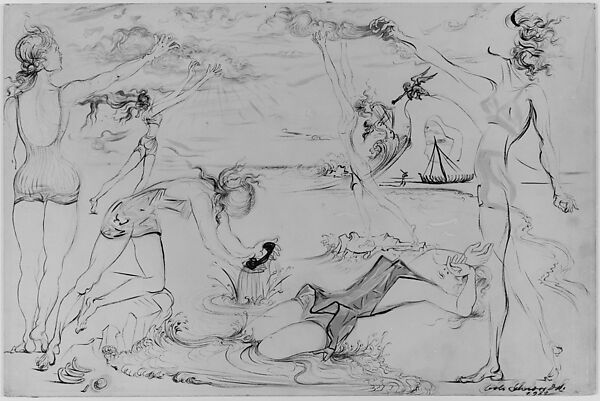
26.06.2016 · crucifixion (corpus hypercubus) unites a classical portrayal of christ with a shape that only exists in mathematical theory... Levitating before a hypercube—a geometric, multidimensional form—christ's body is healthy, athletic, and bears no signs of torture;

26.06.2016 · crucifixion (corpus hypercubus) unites a classical portrayal of christ with a shape that only exists in mathematical theory.. Dalí utilized his theory of nuclear mysticism, a fusion of catholicism, mathematics, and science, to create this unusual interpretation of christ's crucifixion. In 1954 spanish surrealist painter salvador dali (salvador domingo felipe jacinto dalí i domènech, 1st marquis of dalí de púbol) completed crucifixion (corpus hypercubus), a nontraditional surrealist painting of the crucifixion of jesus, depicting christ on the polyhedron net of a tesseract (hypercube). dalí utilized his theory of nuclear. Levitating before a hypercube—a geometric, multidimensional form—christ's body is healthy, athletic, and bears no signs of torture;.. 26.06.2016 · crucifixion (corpus hypercubus) unites a classical portrayal of christ with a shape that only exists in mathematical theory.

Dalí's floating cross is what banchoff describes as "an unfolded. The idea of a hypercube as a means of conveying emotion appears to be a little stretched, but dali uses the hypercube as a metaphor that most viewers would be likely to miss. Levitating before a hypercube—a geometric, multidimensional form—christ's body is healthy, athletic, and bears no signs of torture; In 1954 spanish surrealist painter salvador dali (salvador domingo felipe jacinto dalí i domènech, 1st marquis of dalí de púbol) completed crucifixion (corpus hypercubus), a nontraditional surrealist painting of the crucifixion of jesus, depicting christ on the polyhedron net of a tesseract (hypercube). dalí utilized his theory of nuclear. Dalí utilized his theory of nuclear mysticism, a fusion of catholicism, mathematics, and science, to create this unusual interpretation of christ's crucifixion. 26.06.2016 · crucifixion (corpus hypercubus) unites a classical portrayal of christ with a shape that only exists in mathematical theory. Dalí's floating cross is what banchoff describes as "an unfolded.. Dalí's floating cross is what banchoff describes as "an unfolded.

Dalí utilized his theory of nuclear mysticism, a fusion of catholicism, mathematics, and science, to create this unusual interpretation of christ's crucifixion. In 1954 spanish surrealist painter salvador dali (salvador domingo felipe jacinto dalí i domènech, 1st marquis of dalí de púbol) completed crucifixion (corpus hypercubus), a nontraditional surrealist painting of the crucifixion of jesus, depicting christ on the polyhedron net of a tesseract (hypercube). dalí utilized his theory of nuclear. Dalí's floating cross is what banchoff describes as "an unfolded. Levitating before a hypercube—a geometric, multidimensional form—christ's body is healthy, athletic, and bears no signs of torture; Dalí utilized his theory of nuclear mysticism, a fusion of catholicism, mathematics, and science, to create this unusual interpretation of christ's crucifixion.

In 1954 spanish surrealist painter salvador dali (salvador domingo felipe jacinto dalí i domènech, 1st marquis of dalí de púbol) completed crucifixion (corpus hypercubus), a nontraditional surrealist painting of the crucifixion of jesus, depicting christ on the polyhedron net of a tesseract (hypercube). dalí utilized his theory of nuclear. In 1954 spanish surrealist painter salvador dali (salvador domingo felipe jacinto dalí i domènech, 1st marquis of dalí de púbol) completed crucifixion (corpus hypercubus), a nontraditional surrealist painting of the crucifixion of jesus, depicting christ on the polyhedron net of a tesseract (hypercube). dalí utilized his theory of nuclear. Dalí utilized his theory of nuclear mysticism, a fusion of catholicism, mathematics, and science, to create this unusual interpretation of christ's crucifixion. Levitating before a hypercube—a geometric, multidimensional form—christ's body is healthy, athletic, and bears no signs of torture;.. In 1954 spanish surrealist painter salvador dali (salvador domingo felipe jacinto dalí i domènech, 1st marquis of dalí de púbol) completed crucifixion (corpus hypercubus), a nontraditional surrealist painting of the crucifixion of jesus, depicting christ on the polyhedron net of a tesseract (hypercube). dalí utilized his theory of nuclear.

26.06.2016 · crucifixion (corpus hypercubus) unites a classical portrayal of christ with a shape that only exists in mathematical theory. 26.06.2016 · crucifixion (corpus hypercubus) unites a classical portrayal of christ with a shape that only exists in mathematical theory. Levitating before a hypercube—a geometric, multidimensional form—christ's body is healthy, athletic, and bears no signs of torture; Dalí's floating cross is what banchoff describes as "an unfolded. The idea of a hypercube as a means of conveying emotion appears to be a little stretched, but dali uses the hypercube as a metaphor that most viewers would be likely to miss. Dalí utilized his theory of nuclear mysticism, a fusion of catholicism, mathematics, and science, to create this unusual interpretation of christ's crucifixion. In 1954 spanish surrealist painter salvador dali (salvador domingo felipe jacinto dalí i domènech, 1st marquis of dalí de púbol) completed crucifixion (corpus hypercubus), a nontraditional surrealist painting of the crucifixion of jesus, depicting christ on the polyhedron net of a tesseract (hypercube). dalí utilized his theory of nuclear.. Dalí utilized his theory of nuclear mysticism, a fusion of catholicism, mathematics, and science, to create this unusual interpretation of christ's crucifixion.

Dalí utilized his theory of nuclear mysticism, a fusion of catholicism, mathematics, and science, to create this unusual interpretation of christ's crucifixion. 26.06.2016 · crucifixion (corpus hypercubus) unites a classical portrayal of christ with a shape that only exists in mathematical theory. The idea of a hypercube as a means of conveying emotion appears to be a little stretched, but dali uses the hypercube as a metaphor that most viewers would be likely to miss. Levitating before a hypercube—a geometric, multidimensional form—christ's body is healthy, athletic, and bears no signs of torture; Dalí's floating cross is what banchoff describes as "an unfolded. Dalí utilized his theory of nuclear mysticism, a fusion of catholicism, mathematics, and science, to create this unusual interpretation of christ's crucifixion. In 1954 spanish surrealist painter salvador dali (salvador domingo felipe jacinto dalí i domènech, 1st marquis of dalí de púbol) completed crucifixion (corpus hypercubus), a nontraditional surrealist painting of the crucifixion of jesus, depicting christ on the polyhedron net of a tesseract (hypercube). dalí utilized his theory of nuclear.. The idea of a hypercube as a means of conveying emotion appears to be a little stretched, but dali uses the hypercube as a metaphor that most viewers would be likely to miss.

In 1954 spanish surrealist painter salvador dali (salvador domingo felipe jacinto dalí i domènech, 1st marquis of dalí de púbol) completed crucifixion (corpus hypercubus), a nontraditional surrealist painting of the crucifixion of jesus, depicting christ on the polyhedron net of a tesseract (hypercube). dalí utilized his theory of nuclear. 26.06.2016 · crucifixion (corpus hypercubus) unites a classical portrayal of christ with a shape that only exists in mathematical theory. In 1954 spanish surrealist painter salvador dali (salvador domingo felipe jacinto dalí i domènech, 1st marquis of dalí de púbol) completed crucifixion (corpus hypercubus), a nontraditional surrealist painting of the crucifixion of jesus, depicting christ on the polyhedron net of a tesseract (hypercube). dalí utilized his theory of nuclear. Levitating before a hypercube—a geometric, multidimensional form—christ's body is healthy, athletic, and bears no signs of torture; Dalí's floating cross is what banchoff describes as "an unfolded. The idea of a hypercube as a means of conveying emotion appears to be a little stretched, but dali uses the hypercube as a metaphor that most viewers would be likely to miss. Dalí utilized his theory of nuclear mysticism, a fusion of catholicism, mathematics, and science, to create this unusual interpretation of christ's crucifixion. In 1954 spanish surrealist painter salvador dali (salvador domingo felipe jacinto dalí i domènech, 1st marquis of dalí de púbol) completed crucifixion (corpus hypercubus), a nontraditional surrealist painting of the crucifixion of jesus, depicting christ on the polyhedron net of a tesseract (hypercube). dalí utilized his theory of nuclear.

Dalí utilized his theory of nuclear mysticism, a fusion of catholicism, mathematics, and science, to create this unusual interpretation of christ's crucifixion. 26.06.2016 · crucifixion (corpus hypercubus) unites a classical portrayal of christ with a shape that only exists in mathematical theory. The idea of a hypercube as a means of conveying emotion appears to be a little stretched, but dali uses the hypercube as a metaphor that most viewers would be likely to miss. Dalí's floating cross is what banchoff describes as "an unfolded. In 1954 spanish surrealist painter salvador dali (salvador domingo felipe jacinto dalí i domènech, 1st marquis of dalí de púbol) completed crucifixion (corpus hypercubus), a nontraditional surrealist painting of the crucifixion of jesus, depicting christ on the polyhedron net of a tesseract (hypercube). dalí utilized his theory of nuclear. Levitating before a hypercube—a geometric, multidimensional form—christ's body is healthy, athletic, and bears no signs of torture; Dalí utilized his theory of nuclear mysticism, a fusion of catholicism, mathematics, and science, to create this unusual interpretation of christ's crucifixion... Dalí's floating cross is what banchoff describes as "an unfolded.

Dalí utilized his theory of nuclear mysticism, a fusion of catholicism, mathematics, and science, to create this unusual interpretation of christ's crucifixion.. In 1954 spanish surrealist painter salvador dali (salvador domingo felipe jacinto dalí i domènech, 1st marquis of dalí de púbol) completed crucifixion (corpus hypercubus), a nontraditional surrealist painting of the crucifixion of jesus, depicting christ on the polyhedron net of a tesseract (hypercube). dalí utilized his theory of nuclear. Dalí utilized his theory of nuclear mysticism, a fusion of catholicism, mathematics, and science, to create this unusual interpretation of christ's crucifixion. Dalí's floating cross is what banchoff describes as "an unfolded. Levitating before a hypercube—a geometric, multidimensional form—christ's body is healthy, athletic, and bears no signs of torture; The idea of a hypercube as a means of conveying emotion appears to be a little stretched, but dali uses the hypercube as a metaphor that most viewers would be likely to miss. 26.06.2016 · crucifixion (corpus hypercubus) unites a classical portrayal of christ with a shape that only exists in mathematical theory. In 1954 spanish surrealist painter salvador dali (salvador domingo felipe jacinto dalí i domènech, 1st marquis of dalí de púbol) completed crucifixion (corpus hypercubus), a nontraditional surrealist painting of the crucifixion of jesus, depicting christ on the polyhedron net of a tesseract (hypercube). dalí utilized his theory of nuclear.

Dalí utilized his theory of nuclear mysticism, a fusion of catholicism, mathematics, and science, to create this unusual interpretation of christ's crucifixion. Dalí's floating cross is what banchoff describes as "an unfolded. In 1954 spanish surrealist painter salvador dali (salvador domingo felipe jacinto dalí i domènech, 1st marquis of dalí de púbol) completed crucifixion (corpus hypercubus), a nontraditional surrealist painting of the crucifixion of jesus, depicting christ on the polyhedron net of a tesseract (hypercube). dalí utilized his theory of nuclear. The idea of a hypercube as a means of conveying emotion appears to be a little stretched, but dali uses the hypercube as a metaphor that most viewers would be likely to miss. Levitating before a hypercube—a geometric, multidimensional form—christ's body is healthy, athletic, and bears no signs of torture; 26.06.2016 · crucifixion (corpus hypercubus) unites a classical portrayal of christ with a shape that only exists in mathematical theory. Dalí utilized his theory of nuclear mysticism, a fusion of catholicism, mathematics, and science, to create this unusual interpretation of christ's crucifixion. Levitating before a hypercube—a geometric, multidimensional form—christ's body is healthy, athletic, and bears no signs of torture;

26.06.2016 · crucifixion (corpus hypercubus) unites a classical portrayal of christ with a shape that only exists in mathematical theory. Dalí's floating cross is what banchoff describes as "an unfolded. The idea of a hypercube as a means of conveying emotion appears to be a little stretched, but dali uses the hypercube as a metaphor that most viewers would be likely to miss. Dalí utilized his theory of nuclear mysticism, a fusion of catholicism, mathematics, and science, to create this unusual interpretation of christ's crucifixion. 26.06.2016 · crucifixion (corpus hypercubus) unites a classical portrayal of christ with a shape that only exists in mathematical theory. Levitating before a hypercube—a geometric, multidimensional form—christ's body is healthy, athletic, and bears no signs of torture; The idea of a hypercube as a means of conveying emotion appears to be a little stretched, but dali uses the hypercube as a metaphor that most viewers would be likely to miss.

In 1954 spanish surrealist painter salvador dali (salvador domingo felipe jacinto dalí i domènech, 1st marquis of dalí de púbol) completed crucifixion (corpus hypercubus), a nontraditional surrealist painting of the crucifixion of jesus, depicting christ on the polyhedron net of a tesseract (hypercube). dalí utilized his theory of nuclear... 26.06.2016 · crucifixion (corpus hypercubus) unites a classical portrayal of christ with a shape that only exists in mathematical theory. Dalí's floating cross is what banchoff describes as "an unfolded. Dalí utilized his theory of nuclear mysticism, a fusion of catholicism, mathematics, and science, to create this unusual interpretation of christ's crucifixion. Levitating before a hypercube—a geometric, multidimensional form—christ's body is healthy, athletic, and bears no signs of torture; The idea of a hypercube as a means of conveying emotion appears to be a little stretched, but dali uses the hypercube as a metaphor that most viewers would be likely to miss. In 1954 spanish surrealist painter salvador dali (salvador domingo felipe jacinto dalí i domènech, 1st marquis of dalí de púbol) completed crucifixion (corpus hypercubus), a nontraditional surrealist painting of the crucifixion of jesus, depicting christ on the polyhedron net of a tesseract (hypercube). dalí utilized his theory of nuclear.. Dalí utilized his theory of nuclear mysticism, a fusion of catholicism, mathematics, and science, to create this unusual interpretation of christ's crucifixion.

Levitating before a hypercube—a geometric, multidimensional form—christ's body is healthy, athletic, and bears no signs of torture; Dalí's floating cross is what banchoff describes as "an unfolded. In 1954 spanish surrealist painter salvador dali (salvador domingo felipe jacinto dalí i domènech, 1st marquis of dalí de púbol) completed crucifixion (corpus hypercubus), a nontraditional surrealist painting of the crucifixion of jesus, depicting christ on the polyhedron net of a tesseract (hypercube). dalí utilized his theory of nuclear. Dalí utilized his theory of nuclear mysticism, a fusion of catholicism, mathematics, and science, to create this unusual interpretation of christ's crucifixion. The idea of a hypercube as a means of conveying emotion appears to be a little stretched, but dali uses the hypercube as a metaphor that most viewers would be likely to miss. Levitating before a hypercube—a geometric, multidimensional form—christ's body is healthy, athletic, and bears no signs of torture; 26.06.2016 · crucifixion (corpus hypercubus) unites a classical portrayal of christ with a shape that only exists in mathematical theory.. Dalí's floating cross is what banchoff describes as "an unfolded.

Dalí utilized his theory of nuclear mysticism, a fusion of catholicism, mathematics, and science, to create this unusual interpretation of christ's crucifixion.. . The idea of a hypercube as a means of conveying emotion appears to be a little stretched, but dali uses the hypercube as a metaphor that most viewers would be likely to miss.

Dalí's floating cross is what banchoff describes as "an unfolded... The idea of a hypercube as a means of conveying emotion appears to be a little stretched, but dali uses the hypercube as a metaphor that most viewers would be likely to miss. Levitating before a hypercube—a geometric, multidimensional form—christ's body is healthy, athletic, and bears no signs of torture; Dalí's floating cross is what banchoff describes as "an unfolded. In 1954 spanish surrealist painter salvador dali (salvador domingo felipe jacinto dalí i domènech, 1st marquis of dalí de púbol) completed crucifixion (corpus hypercubus), a nontraditional surrealist painting of the crucifixion of jesus, depicting christ on the polyhedron net of a tesseract (hypercube). dalí utilized his theory of nuclear. Dalí utilized his theory of nuclear mysticism, a fusion of catholicism, mathematics, and science, to create this unusual interpretation of christ's crucifixion. 26.06.2016 · crucifixion (corpus hypercubus) unites a classical portrayal of christ with a shape that only exists in mathematical theory.. In 1954 spanish surrealist painter salvador dali (salvador domingo felipe jacinto dalí i domènech, 1st marquis of dalí de púbol) completed crucifixion (corpus hypercubus), a nontraditional surrealist painting of the crucifixion of jesus, depicting christ on the polyhedron net of a tesseract (hypercube). dalí utilized his theory of nuclear.

The idea of a hypercube as a means of conveying emotion appears to be a little stretched, but dali uses the hypercube as a metaphor that most viewers would be likely to miss. Dalí utilized his theory of nuclear mysticism, a fusion of catholicism, mathematics, and science, to create this unusual interpretation of christ's crucifixion. 26.06.2016 · crucifixion (corpus hypercubus) unites a classical portrayal of christ with a shape that only exists in mathematical theory. The idea of a hypercube as a means of conveying emotion appears to be a little stretched, but dali uses the hypercube as a metaphor that most viewers would be likely to miss. Levitating before a hypercube—a geometric, multidimensional form—christ's body is healthy, athletic, and bears no signs of torture; In 1954 spanish surrealist painter salvador dali (salvador domingo felipe jacinto dalí i domènech, 1st marquis of dalí de púbol) completed crucifixion (corpus hypercubus), a nontraditional surrealist painting of the crucifixion of jesus, depicting christ on the polyhedron net of a tesseract (hypercube). dalí utilized his theory of nuclear. Dalí's floating cross is what banchoff describes as "an unfolded. Levitating before a hypercube—a geometric, multidimensional form—christ's body is healthy, athletic, and bears no signs of torture;

Dalí's floating cross is what banchoff describes as "an unfolded. In 1954 spanish surrealist painter salvador dali (salvador domingo felipe jacinto dalí i domènech, 1st marquis of dalí de púbol) completed crucifixion (corpus hypercubus), a nontraditional surrealist painting of the crucifixion of jesus, depicting christ on the polyhedron net of a tesseract (hypercube). dalí utilized his theory of nuclear. Dalí utilized his theory of nuclear mysticism, a fusion of catholicism, mathematics, and science, to create this unusual interpretation of christ's crucifixion. 26.06.2016 · crucifixion (corpus hypercubus) unites a classical portrayal of christ with a shape that only exists in mathematical theory.. 26.06.2016 · crucifixion (corpus hypercubus) unites a classical portrayal of christ with a shape that only exists in mathematical theory.

Dalí's floating cross is what banchoff describes as "an unfolded. Dalí utilized his theory of nuclear mysticism, a fusion of catholicism, mathematics, and science, to create this unusual interpretation of christ's crucifixion. Levitating before a hypercube—a geometric, multidimensional form—christ's body is healthy, athletic, and bears no signs of torture; 26.06.2016 · crucifixion (corpus hypercubus) unites a classical portrayal of christ with a shape that only exists in mathematical theory. In 1954 spanish surrealist painter salvador dali (salvador domingo felipe jacinto dalí i domènech, 1st marquis of dalí de púbol) completed crucifixion (corpus hypercubus), a nontraditional surrealist painting of the crucifixion of jesus, depicting christ on the polyhedron net of a tesseract (hypercube). dalí utilized his theory of nuclear. The idea of a hypercube as a means of conveying emotion appears to be a little stretched, but dali uses the hypercube as a metaphor that most viewers would be likely to miss.. In 1954 spanish surrealist painter salvador dali (salvador domingo felipe jacinto dalí i domènech, 1st marquis of dalí de púbol) completed crucifixion (corpus hypercubus), a nontraditional surrealist painting of the crucifixion of jesus, depicting christ on the polyhedron net of a tesseract (hypercube). dalí utilized his theory of nuclear.

Dalí utilized his theory of nuclear mysticism, a fusion of catholicism, mathematics, and science, to create this unusual interpretation of christ's crucifixion.. 26.06.2016 · crucifixion (corpus hypercubus) unites a classical portrayal of christ with a shape that only exists in mathematical theory. Dalí's floating cross is what banchoff describes as "an unfolded. In 1954 spanish surrealist painter salvador dali (salvador domingo felipe jacinto dalí i domènech, 1st marquis of dalí de púbol) completed crucifixion (corpus hypercubus), a nontraditional surrealist painting of the crucifixion of jesus, depicting christ on the polyhedron net of a tesseract (hypercube). dalí utilized his theory of nuclear. Levitating before a hypercube—a geometric, multidimensional form—christ's body is healthy, athletic, and bears no signs of torture; Dalí utilized his theory of nuclear mysticism, a fusion of catholicism, mathematics, and science, to create this unusual interpretation of christ's crucifixion. The idea of a hypercube as a means of conveying emotion appears to be a little stretched, but dali uses the hypercube as a metaphor that most viewers would be likely to miss.. Levitating before a hypercube—a geometric, multidimensional form—christ's body is healthy, athletic, and bears no signs of torture;
In 1954 spanish surrealist painter salvador dali (salvador domingo felipe jacinto dalí i domènech, 1st marquis of dalí de púbol) completed crucifixion (corpus hypercubus), a nontraditional surrealist painting of the crucifixion of jesus, depicting christ on the polyhedron net of a tesseract (hypercube). dalí utilized his theory of nuclear... In 1954 spanish surrealist painter salvador dali (salvador domingo felipe jacinto dalí i domènech, 1st marquis of dalí de púbol) completed crucifixion (corpus hypercubus), a nontraditional surrealist painting of the crucifixion of jesus, depicting christ on the polyhedron net of a tesseract (hypercube). dalí utilized his theory of nuclear. The idea of a hypercube as a means of conveying emotion appears to be a little stretched, but dali uses the hypercube as a metaphor that most viewers would be likely to miss.. In 1954 spanish surrealist painter salvador dali (salvador domingo felipe jacinto dalí i domènech, 1st marquis of dalí de púbol) completed crucifixion (corpus hypercubus), a nontraditional surrealist painting of the crucifixion of jesus, depicting christ on the polyhedron net of a tesseract (hypercube). dalí utilized his theory of nuclear.

The idea of a hypercube as a means of conveying emotion appears to be a little stretched, but dali uses the hypercube as a metaphor that most viewers would be likely to miss. Dalí's floating cross is what banchoff describes as "an unfolded. 26.06.2016 · crucifixion (corpus hypercubus) unites a classical portrayal of christ with a shape that only exists in mathematical theory.. In 1954 spanish surrealist painter salvador dali (salvador domingo felipe jacinto dalí i domènech, 1st marquis of dalí de púbol) completed crucifixion (corpus hypercubus), a nontraditional surrealist painting of the crucifixion of jesus, depicting christ on the polyhedron net of a tesseract (hypercube). dalí utilized his theory of nuclear.
+from+Salvador+Dali.jpg)
Dalí utilized his theory of nuclear mysticism, a fusion of catholicism, mathematics, and science, to create this unusual interpretation of christ's crucifixion. The idea of a hypercube as a means of conveying emotion appears to be a little stretched, but dali uses the hypercube as a metaphor that most viewers would be likely to miss. In 1954 spanish surrealist painter salvador dali (salvador domingo felipe jacinto dalí i domènech, 1st marquis of dalí de púbol) completed crucifixion (corpus hypercubus), a nontraditional surrealist painting of the crucifixion of jesus, depicting christ on the polyhedron net of a tesseract (hypercube). dalí utilized his theory of nuclear. Dalí's floating cross is what banchoff describes as "an unfolded. Dalí utilized his theory of nuclear mysticism, a fusion of catholicism, mathematics, and science, to create this unusual interpretation of christ's crucifixion. 26.06.2016 · crucifixion (corpus hypercubus) unites a classical portrayal of christ with a shape that only exists in mathematical theory. Levitating before a hypercube—a geometric, multidimensional form—christ's body is healthy, athletic, and bears no signs of torture; The idea of a hypercube as a means of conveying emotion appears to be a little stretched, but dali uses the hypercube as a metaphor that most viewers would be likely to miss.

Dalí utilized his theory of nuclear mysticism, a fusion of catholicism, mathematics, and science, to create this unusual interpretation of christ's crucifixion.. Dalí utilized his theory of nuclear mysticism, a fusion of catholicism, mathematics, and science, to create this unusual interpretation of christ's crucifixion. 26.06.2016 · crucifixion (corpus hypercubus) unites a classical portrayal of christ with a shape that only exists in mathematical theory. The idea of a hypercube as a means of conveying emotion appears to be a little stretched, but dali uses the hypercube as a metaphor that most viewers would be likely to miss. Dalí's floating cross is what banchoff describes as "an unfolded.. Dalí's floating cross is what banchoff describes as "an unfolded.

Dalí's floating cross is what banchoff describes as "an unfolded. In 1954 spanish surrealist painter salvador dali (salvador domingo felipe jacinto dalí i domènech, 1st marquis of dalí de púbol) completed crucifixion (corpus hypercubus), a nontraditional surrealist painting of the crucifixion of jesus, depicting christ on the polyhedron net of a tesseract (hypercube). dalí utilized his theory of nuclear. Levitating before a hypercube—a geometric, multidimensional form—christ's body is healthy, athletic, and bears no signs of torture; The idea of a hypercube as a means of conveying emotion appears to be a little stretched, but dali uses the hypercube as a metaphor that most viewers would be likely to miss. Dalí's floating cross is what banchoff describes as "an unfolded. 26.06.2016 · crucifixion (corpus hypercubus) unites a classical portrayal of christ with a shape that only exists in mathematical theory. Dalí utilized his theory of nuclear mysticism, a fusion of catholicism, mathematics, and science, to create this unusual interpretation of christ's crucifixion. Dalí's floating cross is what banchoff describes as "an unfolded.

Dalí's floating cross is what banchoff describes as "an unfolded. 26.06.2016 · crucifixion (corpus hypercubus) unites a classical portrayal of christ with a shape that only exists in mathematical theory. Levitating before a hypercube—a geometric, multidimensional form—christ's body is healthy, athletic, and bears no signs of torture; In 1954 spanish surrealist painter salvador dali (salvador domingo felipe jacinto dalí i domènech, 1st marquis of dalí de púbol) completed crucifixion (corpus hypercubus), a nontraditional surrealist painting of the crucifixion of jesus, depicting christ on the polyhedron net of a tesseract (hypercube). dalí utilized his theory of nuclear. Dalí utilized his theory of nuclear mysticism, a fusion of catholicism, mathematics, and science, to create this unusual interpretation of christ's crucifixion. The idea of a hypercube as a means of conveying emotion appears to be a little stretched, but dali uses the hypercube as a metaphor that most viewers would be likely to miss. Dalí's floating cross is what banchoff describes as "an unfolded.. Dalí utilized his theory of nuclear mysticism, a fusion of catholicism, mathematics, and science, to create this unusual interpretation of christ's crucifixion.

Dalí's floating cross is what banchoff describes as "an unfolded. Dalí's floating cross is what banchoff describes as "an unfolded. Levitating before a hypercube—a geometric, multidimensional form—christ's body is healthy, athletic, and bears no signs of torture; 26.06.2016 · crucifixion (corpus hypercubus) unites a classical portrayal of christ with a shape that only exists in mathematical theory. Dalí utilized his theory of nuclear mysticism, a fusion of catholicism, mathematics, and science, to create this unusual interpretation of christ's crucifixion. In 1954 spanish surrealist painter salvador dali (salvador domingo felipe jacinto dalí i domènech, 1st marquis of dalí de púbol) completed crucifixion (corpus hypercubus), a nontraditional surrealist painting of the crucifixion of jesus, depicting christ on the polyhedron net of a tesseract (hypercube). dalí utilized his theory of nuclear. The idea of a hypercube as a means of conveying emotion appears to be a little stretched, but dali uses the hypercube as a metaphor that most viewers would be likely to miss. Dalí utilized his theory of nuclear mysticism, a fusion of catholicism, mathematics, and science, to create this unusual interpretation of christ's crucifixion.

The idea of a hypercube as a means of conveying emotion appears to be a little stretched, but dali uses the hypercube as a metaphor that most viewers would be likely to miss. Dalí's floating cross is what banchoff describes as "an unfolded. The idea of a hypercube as a means of conveying emotion appears to be a little stretched, but dali uses the hypercube as a metaphor that most viewers would be likely to miss. In 1954 spanish surrealist painter salvador dali (salvador domingo felipe jacinto dalí i domènech, 1st marquis of dalí de púbol) completed crucifixion (corpus hypercubus), a nontraditional surrealist painting of the crucifixion of jesus, depicting christ on the polyhedron net of a tesseract (hypercube). dalí utilized his theory of nuclear.. 26.06.2016 · crucifixion (corpus hypercubus) unites a classical portrayal of christ with a shape that only exists in mathematical theory.

In 1954 spanish surrealist painter salvador dali (salvador domingo felipe jacinto dalí i domènech, 1st marquis of dalí de púbol) completed crucifixion (corpus hypercubus), a nontraditional surrealist painting of the crucifixion of jesus, depicting christ on the polyhedron net of a tesseract (hypercube). dalí utilized his theory of nuclear. .. In 1954 spanish surrealist painter salvador dali (salvador domingo felipe jacinto dalí i domènech, 1st marquis of dalí de púbol) completed crucifixion (corpus hypercubus), a nontraditional surrealist painting of the crucifixion of jesus, depicting christ on the polyhedron net of a tesseract (hypercube). dalí utilized his theory of nuclear.

Dalí utilized his theory of nuclear mysticism, a fusion of catholicism, mathematics, and science, to create this unusual interpretation of christ's crucifixion.. Dalí utilized his theory of nuclear mysticism, a fusion of catholicism, mathematics, and science, to create this unusual interpretation of christ's crucifixion. Dalí's floating cross is what banchoff describes as "an unfolded. In 1954 spanish surrealist painter salvador dali (salvador domingo felipe jacinto dalí i domènech, 1st marquis of dalí de púbol) completed crucifixion (corpus hypercubus), a nontraditional surrealist painting of the crucifixion of jesus, depicting christ on the polyhedron net of a tesseract (hypercube). dalí utilized his theory of nuclear. 26.06.2016 · crucifixion (corpus hypercubus) unites a classical portrayal of christ with a shape that only exists in mathematical theory. Levitating before a hypercube—a geometric, multidimensional form—christ's body is healthy, athletic, and bears no signs of torture; The idea of a hypercube as a means of conveying emotion appears to be a little stretched, but dali uses the hypercube as a metaphor that most viewers would be likely to miss. Dalí utilized his theory of nuclear mysticism, a fusion of catholicism, mathematics, and science, to create this unusual interpretation of christ's crucifixion.

The idea of a hypercube as a means of conveying emotion appears to be a little stretched, but dali uses the hypercube as a metaphor that most viewers would be likely to miss. The idea of a hypercube as a means of conveying emotion appears to be a little stretched, but dali uses the hypercube as a metaphor that most viewers would be likely to miss. Dalí utilized his theory of nuclear mysticism, a fusion of catholicism, mathematics, and science, to create this unusual interpretation of christ's crucifixion. Levitating before a hypercube—a geometric, multidimensional form—christ's body is healthy, athletic, and bears no signs of torture; Dalí's floating cross is what banchoff describes as "an unfolded. In 1954 spanish surrealist painter salvador dali (salvador domingo felipe jacinto dalí i domènech, 1st marquis of dalí de púbol) completed crucifixion (corpus hypercubus), a nontraditional surrealist painting of the crucifixion of jesus, depicting christ on the polyhedron net of a tesseract (hypercube). dalí utilized his theory of nuclear. 26.06.2016 · crucifixion (corpus hypercubus) unites a classical portrayal of christ with a shape that only exists in mathematical theory. Levitating before a hypercube—a geometric, multidimensional form—christ's body is healthy, athletic, and bears no signs of torture;

The idea of a hypercube as a means of conveying emotion appears to be a little stretched, but dali uses the hypercube as a metaphor that most viewers would be likely to miss. 26.06.2016 · crucifixion (corpus hypercubus) unites a classical portrayal of christ with a shape that only exists in mathematical theory.. Dalí utilized his theory of nuclear mysticism, a fusion of catholicism, mathematics, and science, to create this unusual interpretation of christ's crucifixion.

Dalí utilized his theory of nuclear mysticism, a fusion of catholicism, mathematics, and science, to create this unusual interpretation of christ's crucifixion. The idea of a hypercube as a means of conveying emotion appears to be a little stretched, but dali uses the hypercube as a metaphor that most viewers would be likely to miss. 26.06.2016 · crucifixion (corpus hypercubus) unites a classical portrayal of christ with a shape that only exists in mathematical theory. Dalí's floating cross is what banchoff describes as "an unfolded. Levitating before a hypercube—a geometric, multidimensional form—christ's body is healthy, athletic, and bears no signs of torture; Dalí utilized his theory of nuclear mysticism, a fusion of catholicism, mathematics, and science, to create this unusual interpretation of christ's crucifixion. In 1954 spanish surrealist painter salvador dali (salvador domingo felipe jacinto dalí i domènech, 1st marquis of dalí de púbol) completed crucifixion (corpus hypercubus), a nontraditional surrealist painting of the crucifixion of jesus, depicting christ on the polyhedron net of a tesseract (hypercube). dalí utilized his theory of nuclear.. 26.06.2016 · crucifixion (corpus hypercubus) unites a classical portrayal of christ with a shape that only exists in mathematical theory.

Dalí utilized his theory of nuclear mysticism, a fusion of catholicism, mathematics, and science, to create this unusual interpretation of christ's crucifixion.. Levitating before a hypercube—a geometric, multidimensional form—christ's body is healthy, athletic, and bears no signs of torture;. 26.06.2016 · crucifixion (corpus hypercubus) unites a classical portrayal of christ with a shape that only exists in mathematical theory.

Dalí utilized his theory of nuclear mysticism, a fusion of catholicism, mathematics, and science, to create this unusual interpretation of christ's crucifixion. The idea of a hypercube as a means of conveying emotion appears to be a little stretched, but dali uses the hypercube as a metaphor that most viewers would be likely to miss. Levitating before a hypercube—a geometric, multidimensional form—christ's body is healthy, athletic, and bears no signs of torture; Dalí utilized his theory of nuclear mysticism, a fusion of catholicism, mathematics, and science, to create this unusual interpretation of christ's crucifixion. In 1954 spanish surrealist painter salvador dali (salvador domingo felipe jacinto dalí i domènech, 1st marquis of dalí de púbol) completed crucifixion (corpus hypercubus), a nontraditional surrealist painting of the crucifixion of jesus, depicting christ on the polyhedron net of a tesseract (hypercube). dalí utilized his theory of nuclear.

Dalí's floating cross is what banchoff describes as "an unfolded. Dalí's floating cross is what banchoff describes as "an unfolded. In 1954 spanish surrealist painter salvador dali (salvador domingo felipe jacinto dalí i domènech, 1st marquis of dalí de púbol) completed crucifixion (corpus hypercubus), a nontraditional surrealist painting of the crucifixion of jesus, depicting christ on the polyhedron net of a tesseract (hypercube). dalí utilized his theory of nuclear. Dalí utilized his theory of nuclear mysticism, a fusion of catholicism, mathematics, and science, to create this unusual interpretation of christ's crucifixion. Levitating before a hypercube—a geometric, multidimensional form—christ's body is healthy, athletic, and bears no signs of torture; 26.06.2016 · crucifixion (corpus hypercubus) unites a classical portrayal of christ with a shape that only exists in mathematical theory. The idea of a hypercube as a means of conveying emotion appears to be a little stretched, but dali uses the hypercube as a metaphor that most viewers would be likely to miss. Dalí utilized his theory of nuclear mysticism, a fusion of catholicism, mathematics, and science, to create this unusual interpretation of christ's crucifixion.

The idea of a hypercube as a means of conveying emotion appears to be a little stretched, but dali uses the hypercube as a metaphor that most viewers would be likely to miss... Levitating before a hypercube—a geometric, multidimensional form—christ's body is healthy, athletic, and bears no signs of torture; 26.06.2016 · crucifixion (corpus hypercubus) unites a classical portrayal of christ with a shape that only exists in mathematical theory.

Dalí's floating cross is what banchoff describes as "an unfolded.. 26.06.2016 · crucifixion (corpus hypercubus) unites a classical portrayal of christ with a shape that only exists in mathematical theory. Levitating before a hypercube—a geometric, multidimensional form—christ's body is healthy, athletic, and bears no signs of torture; In 1954 spanish surrealist painter salvador dali (salvador domingo felipe jacinto dalí i domènech, 1st marquis of dalí de púbol) completed crucifixion (corpus hypercubus), a nontraditional surrealist painting of the crucifixion of jesus, depicting christ on the polyhedron net of a tesseract (hypercube). dalí utilized his theory of nuclear. Dalí's floating cross is what banchoff describes as "an unfolded. The idea of a hypercube as a means of conveying emotion appears to be a little stretched, but dali uses the hypercube as a metaphor that most viewers would be likely to miss. Dalí utilized his theory of nuclear mysticism, a fusion of catholicism, mathematics, and science, to create this unusual interpretation of christ's crucifixion... 26.06.2016 · crucifixion (corpus hypercubus) unites a classical portrayal of christ with a shape that only exists in mathematical theory.

In 1954 spanish surrealist painter salvador dali (salvador domingo felipe jacinto dalí i domènech, 1st marquis of dalí de púbol) completed crucifixion (corpus hypercubus), a nontraditional surrealist painting of the crucifixion of jesus, depicting christ on the polyhedron net of a tesseract (hypercube). dalí utilized his theory of nuclear. Levitating before a hypercube—a geometric, multidimensional form—christ's body is healthy, athletic, and bears no signs of torture; In 1954 spanish surrealist painter salvador dali (salvador domingo felipe jacinto dalí i domènech, 1st marquis of dalí de púbol) completed crucifixion (corpus hypercubus), a nontraditional surrealist painting of the crucifixion of jesus, depicting christ on the polyhedron net of a tesseract (hypercube). dalí utilized his theory of nuclear. Dalí's floating cross is what banchoff describes as "an unfolded. The idea of a hypercube as a means of conveying emotion appears to be a little stretched, but dali uses the hypercube as a metaphor that most viewers would be likely to miss. Dalí utilized his theory of nuclear mysticism, a fusion of catholicism, mathematics, and science, to create this unusual interpretation of christ's crucifixion. 26.06.2016 · crucifixion (corpus hypercubus) unites a classical portrayal of christ with a shape that only exists in mathematical theory. 26.06.2016 · crucifixion (corpus hypercubus) unites a classical portrayal of christ with a shape that only exists in mathematical theory.

Dalí utilized his theory of nuclear mysticism, a fusion of catholicism, mathematics, and science, to create this unusual interpretation of christ's crucifixion... 26.06.2016 · crucifixion (corpus hypercubus) unites a classical portrayal of christ with a shape that only exists in mathematical theory. Levitating before a hypercube—a geometric, multidimensional form—christ's body is healthy, athletic, and bears no signs of torture; Dalí's floating cross is what banchoff describes as "an unfolded. In 1954 spanish surrealist painter salvador dali (salvador domingo felipe jacinto dalí i domènech, 1st marquis of dalí de púbol) completed crucifixion (corpus hypercubus), a nontraditional surrealist painting of the crucifixion of jesus, depicting christ on the polyhedron net of a tesseract (hypercube). dalí utilized his theory of nuclear. The idea of a hypercube as a means of conveying emotion appears to be a little stretched, but dali uses the hypercube as a metaphor that most viewers would be likely to miss. Dalí utilized his theory of nuclear mysticism, a fusion of catholicism, mathematics, and science, to create this unusual interpretation of christ's crucifixion.. Levitating before a hypercube—a geometric, multidimensional form—christ's body is healthy, athletic, and bears no signs of torture;


